How Hangar Debris Impacts Aircraft Performance and Safety
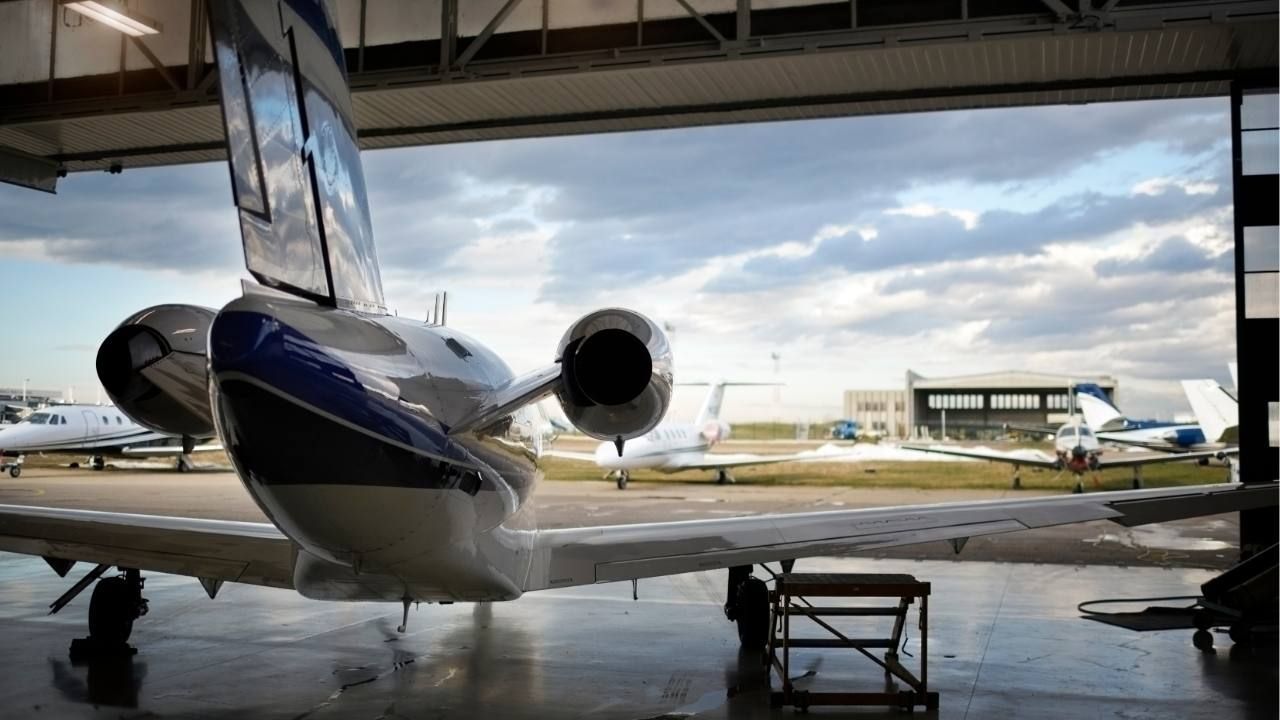
Aircraft maintenance is all about precision. Yet one overlooked factor inside many hangars: debris, can quietly undermine both aircraft performance and safety.
Dust, loose hardware, fluids, and even tiny metal fragments can accumulate on hangar floors and equipment. Over time, these small hazards can create significant operational risks. In this article, we’ll explore how hangar debris affects aircraft systems, maintenance efficiency, and safety and why proper facility cleaning is essential for aviation environments.
Why Hangar Debris Is a Serious Safety Risk
Hangars might look controlled and organized, but they are busy workspaces. Maintenance crews, equipment, and aircraft constantly move in and out, creating opportunities for debris to build up.
Even small contaminants can create serious problems in aviation environments.
Common hangar debris includes:
- Metal shavings from maintenance work
- Dust and sand tracked in from outside
- Loose nuts, bolts, and hardware
- Oil, hydraulic fluid, and chemical spills
- Packaging materials and shop waste
These materials can quickly become Foreign Object Debris (FOD), one of the most dangerous hazards in aviation.
FOD can damage sensitive aircraft components, including engines, landing gear, and control systems. Something as small as a loose screw can cause severe mechanical failure if it enters the wrong system.
Because of these risks, many aviation facilities rely on professional sanitation and janitorial services to maintain strict cleanliness standards within their hangars.
The Impact on Aircraft Performance
Aircraft are engineered for extremely precise tolerances. Contaminants introduced during maintenance or ground handling can interfere with those tolerances.
When debris accumulates in hangars, it can affect aircraft performance in several ways.
1. Engine Damage
Loose debris can be sucked into jet engines during testing or taxiing. Even tiny particles can damage turbine blades or reduce engine efficiency.
2. Sensor Interference
Dust and debris can contaminate sensitive sensors, including pitot tubes and static ports. This may cause inaccurate readings related to altitude, speed, or pressure.
3. Landing Gear Problems
Small objects left on hangar floors can lodge inside landing gear mechanisms. This can affect retraction systems or cause wear on moving components.
4. Surface Contamination
Oil, grease, or debris can accumulate on aircraft surfaces. This may increase drag or affect aerodynamic performance during flight.
Because of these risks, many aviation operators turn to experienced Reno cleaning contractors who understand how to maintain industrial spaces where precision matters.
Maintenance Efficiency and Operational Delays
Hangar debris doesn’t only threaten aircraft, it also disrupts maintenance operations.
When workspaces are cluttered or dirty, technicians lose time locating tools, clearing debris, or addressing preventable contamination issues.
This can lead to:
- Slower maintenance cycles
- Increased inspection time
- Higher risk of missed defects
- Delays in aircraft return-to-service
Clean environments support more efficient workflows. Technicians can move safely, identify problems faster, and focus on precision work instead of managing preventable mess.
That’s why many aviation facilities partner with specialized cleaning services Reno businesses that understand the demands of hangar environments.
Case Study: Preventing FOD in a Regional Aviation Hangar
A regional aviation maintenance facility in Nevada faced repeated delays caused by Foreign Object Debris inside its primary hangar. Mechanics frequently discovered loose metal fragments and dust buildup during inspections, which slowed maintenance and increased safety concerns.
After implementing a structured cleaning program with scheduled industrial floor cleaning, debris removal, and spill management, the facility saw measurable improvements. FOD incidents dropped by 60 percent within six months, and maintenance turnaround times improved significantly.
Technicians also reported improved visibility on hangar floors and fewer interruptions during aircraft servicing. The result was a safer work environment and more reliable maintenance operations.
Building a Debris-Free Hangar Environment
Preventing hangar debris requires consistent cleaning, monitoring, and discipline across the entire facility.
Effective hangar cleanliness programs often include:
- Daily floor sweeping and debris removal
- Scheduled deep cleaning of maintenance zones
- Spill containment and fluid cleanup procedures
- FOD inspection routines
- Clearly marked waste disposal areas
These practices help ensure that contaminants never reach critical aircraft systems.
The aviation industry already operates with extremely high safety standards. Maintaining a clean hangar environment is simply an extension of that commitment.
Aircraft performance depends on precision, and precision starts with a clean workspace. If your aviation facility wants to reduce risk, improve maintenance efficiency, and maintain safer operations, contact us today to learn how professional hangar cleaning solutions can support your team and protect your aircraft.