The Hidden Safety Risks in Dirty Hangars (And How to Fix Them Fast)
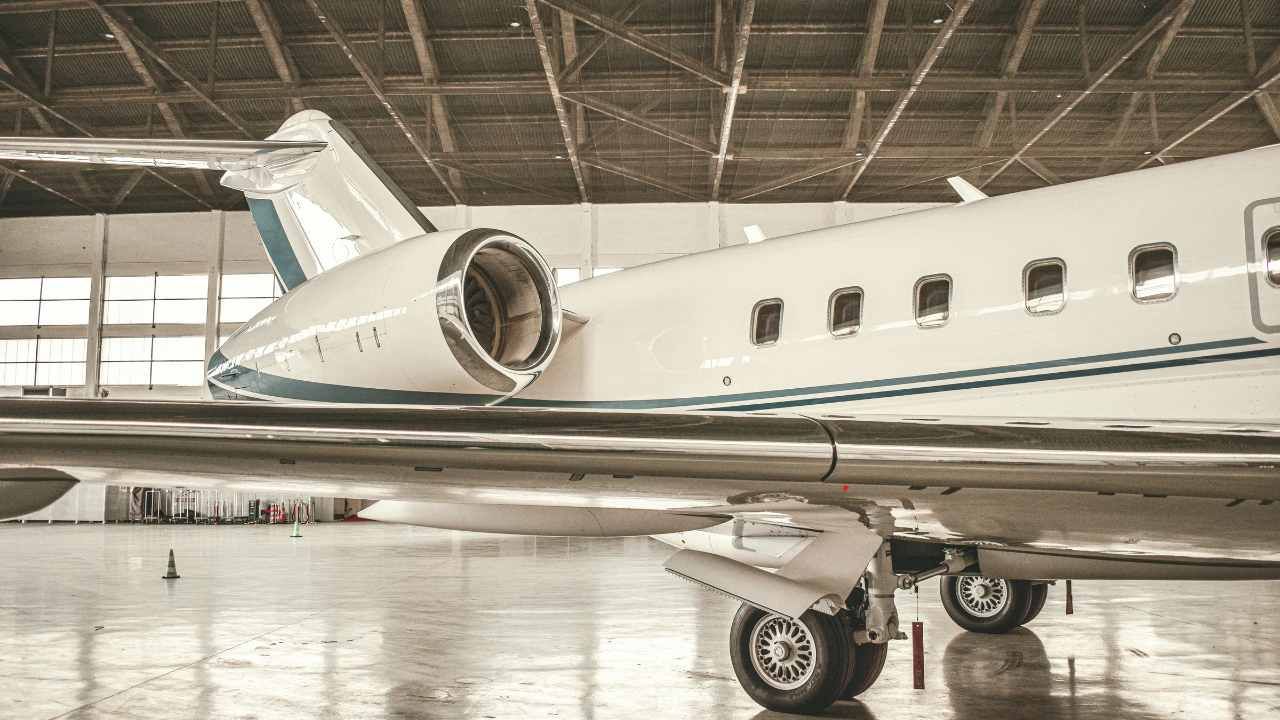
Walk into any aircraft hangar on a busy day and you’ll notice something right away—things get messy faster than anyone expects. When that mess turns into clutter, grime, or neglected maintenance, safety takes a nosedive. And in aviation, even tiny hazards can spiral into big problems.
In this guide, you’ll learn the most common safety risks hiding inside dirty hangars, why they matter more than most operators realize, and what you can do right now to fix them before someone gets hurt.
Why Messy Hangars Become Dangerous Fast
Aircraft hangars aren’t like typical commercial buildings. They mix heavy equipment, chemicals, fuel, electrical systems, and constant movement. When cleanliness slips, even a little, risk amplifies. For operators who rely on cleaning services Reno providers, that difference becomes obvious the moment a systematic cleaning routine is in place.
Here are the biggest issues dirty hangars create:
- Slips from oil, hydraulic fluid, or condensation
- FOD (foreign object debris) that can damage aircraft
- Fire hazards from dust buildup or chemical spills
- Equipment malfunctions triggered by grime or corrosion
- Poor visibility and inefficient workflow
- OSHA compliance problems that can lead to fines
Any one of these can trigger costly downtime—or worse, an emergency.
1. FOD: The Silent Aircraft Killer
Foreign object debris looks harmless on the floor. A loose bolt, a broken zip tie, a scrap of plastic—none of it seems dangerous. But FOD can lead to engine damage, punctured tires, and internal component failures.
When debris is left undisturbed, the risk grows daily. This is where routine aircraft hangar cleaning makes a difference. It’s not just about sweeping; it’s about inspecting and eliminating anything that doesn’t belong near an aircraft.
2. Slippery Floors: One of the Most Overlooked Hazards
Oil stains, leaked fluids, and water from the tarmac all create prime conditions for slips and falls. The danger increases when mechanics move quickly between tasks or operate heavy equipment.
Dirty floors don’t just threaten the people in your hangar—they put the aircraft at risk too. A dropped tool from a slip could damage a wing, panel, or avionics casing. Simple resurfacing or scheduled deep cleaning from a provider like Prestige Building Maintenance of Nevada, LLC helps restore traction, visibility, and safety.
3. Fire Risks from Dust, Debris, and Chemicals
Hangars contain a mix of flammable materials: fuels, paints, solvents, and oils. Combine that with dust buildup around outlets, machinery, or lighting fixtures and the fire risk escalates quickly.
If your hangar has high shelves or metal beams, dust tends to settle in places no one checks regularly. One spark from equipment is all it takes. A proper maintenance plan includes:
- Dusting overhead structures
- Removing chemical residue
- Cleaning vents and fans
- Disposing of outdated supplies
Ignoring these tasks can put everyone inside the hangar at risk.
4. Reduced Efficiency and Poor Workflow
A cluttered hangar slows down mechanics, delays inspections, and creates confusion during critical tasks. When workers can’t move equipment freely or can’t find tools, the entire operation loses time and money.
Clean, organized workplaces lead to:
- Faster repairs
- Fewer mistakes
- Easier inventory management
- Safer technician movement
Cleanliness isn’t just about safety—it’s operational strategy.
Case Study: How One Hangar Turned Safety Around
A regional operator struggled with repeated delays, unexplained damage to aircraft tires, and a rise in worker injuries. After a professional audit, they realized the problem was poor hangar hygiene: FOD, oil spots, and dust buildup. After hiring a company specializing in aircraft hangar cleaning, they implemented weekly cleanings, floor treatments, and overhead dust removal. Within 60 days, injuries dropped, workflow improved, and aircraft turnaround times decreased by 22%. Cleanliness wasn’t cosmetic—it was the fix they didn’t know they needed.
Final Thoughts: Fix the Problem Before It Grows
Dirty hangars aren’t just unattractive—they’re dangerous. Tackling these risks now keeps your aircraft protected, your technicians safe, and your operations efficient.
Want a cleaner, safer hangar without the headaches? Contact us to start exploring professional cleaning solutions today and improve safety before the next shift begins.