
Nevada's Choice for Top Commercial Janitorial Services
Spotless cleaning solutions for commercial spaces
Welcome to Prestige Building Maintenance of Nevada
“We don’t cut corners, we clean them.”
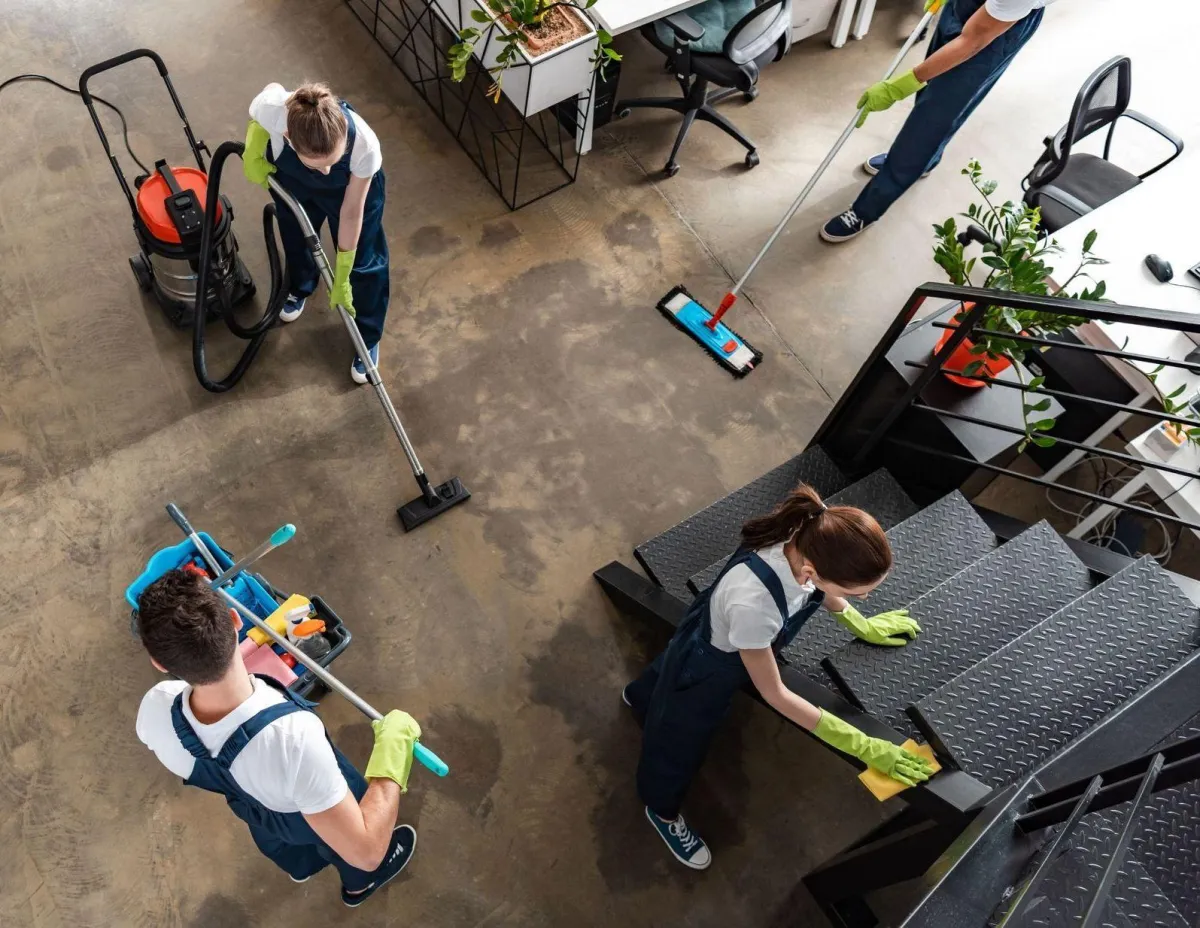
As Reno’s leading provider of commercial janitorial services, we are dedicated to delivering exceptional cleanliness and professionalism to businesses of all sizes. Our highly trained team uses cutting-edge equipment and eco-friendly practices to ensure your workspace not only looks immaculate but also fosters a healthy environment. True to our slogan, “We don’t cut corners, we clean them,” Prestige delivers meticulous attention to detail in every cleaning service. Experience the Prestige difference with our superior commercial cleaning services in Reno, NV.





FREE Quote
Fill out the form provided below, and one of our team members will get in touch with you to generate a personalized quotation for your needs.
Office Building Cleaning
We'll make sure your office is always ready for customers
Data Center Cleaning
Rely on our team to clean without damaging any of the equipment
Commercial Janitorial
You can hire us to clean all kinds of commercial and industrial spaces
Retail Department Store Cleaning
We'll keep your retail store spotless
Deep Cleaning Service
Count on us for thorough deep cleaning
Green Cleaning
Trust us for eco-friendly green cleaning
Office Building Cleaning
We'll make sure your office is always ready for customers.
Data Center Cleaning
Rely on our team to clean without damaging any of the equipment.
Commercial Janitorial
You can hire us to clean all kinds of commercial and industrial spaces.
Retail Department Store Cleaning
We'll keep your retail store spotless.
Deep Cleaning Service
Count on us for thorough deep cleaning.
Green Cleaning
Trust us for eco-friendly green cleaning.
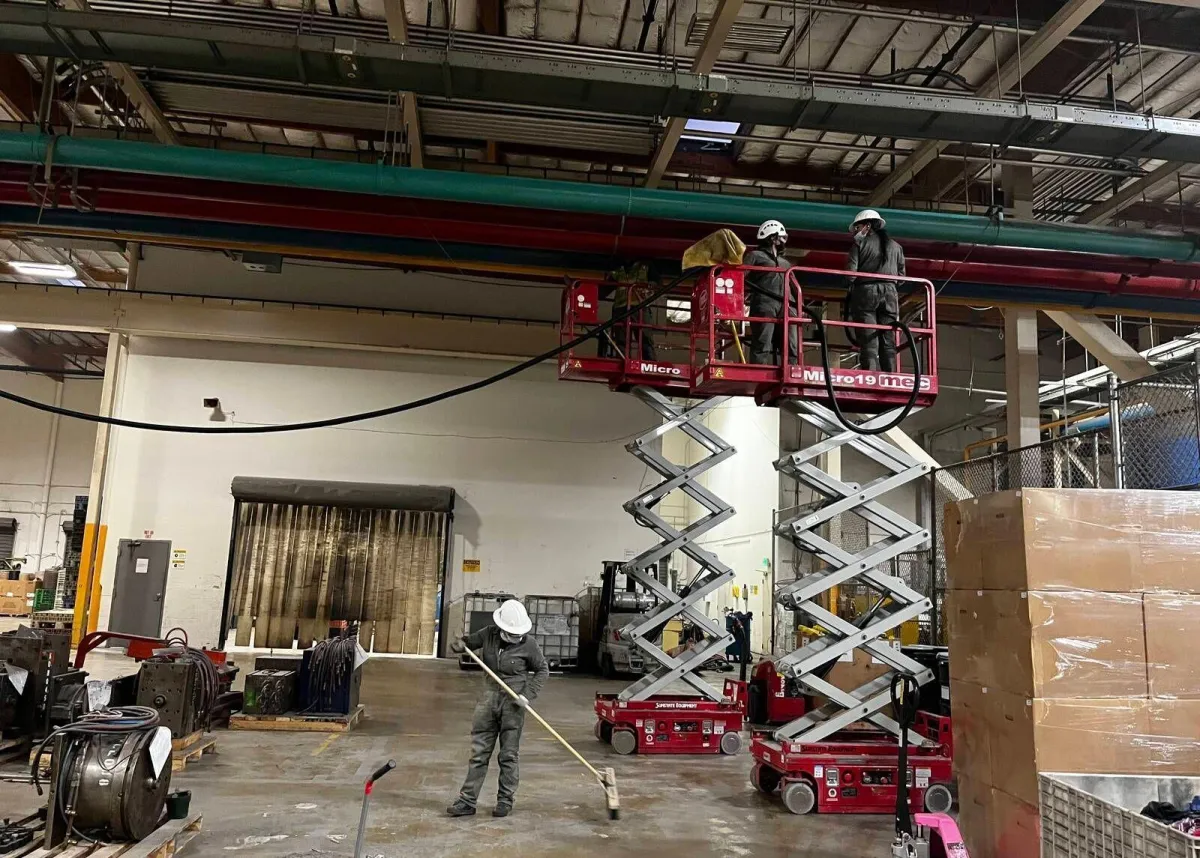
3 Reasons to Choose Prestige Building Maintenance of Nevada
Searching for deep commercial cleaning services near me in Reno? Look no further than Prestige Building Maintenance of Nevada. You'll appreciate working with us because our commercial cleaning company:
Has over 35 years of experience
Offers detail-oriented services
Uses top-notch cleaning products
We cover everything from pressure washing to commercial janitorial services. Contact us now to learn more about our professional commercial cleaning services in Reno, NV, and discover how we can help you maintain a pristine workspace that reflects the quality of your brand.
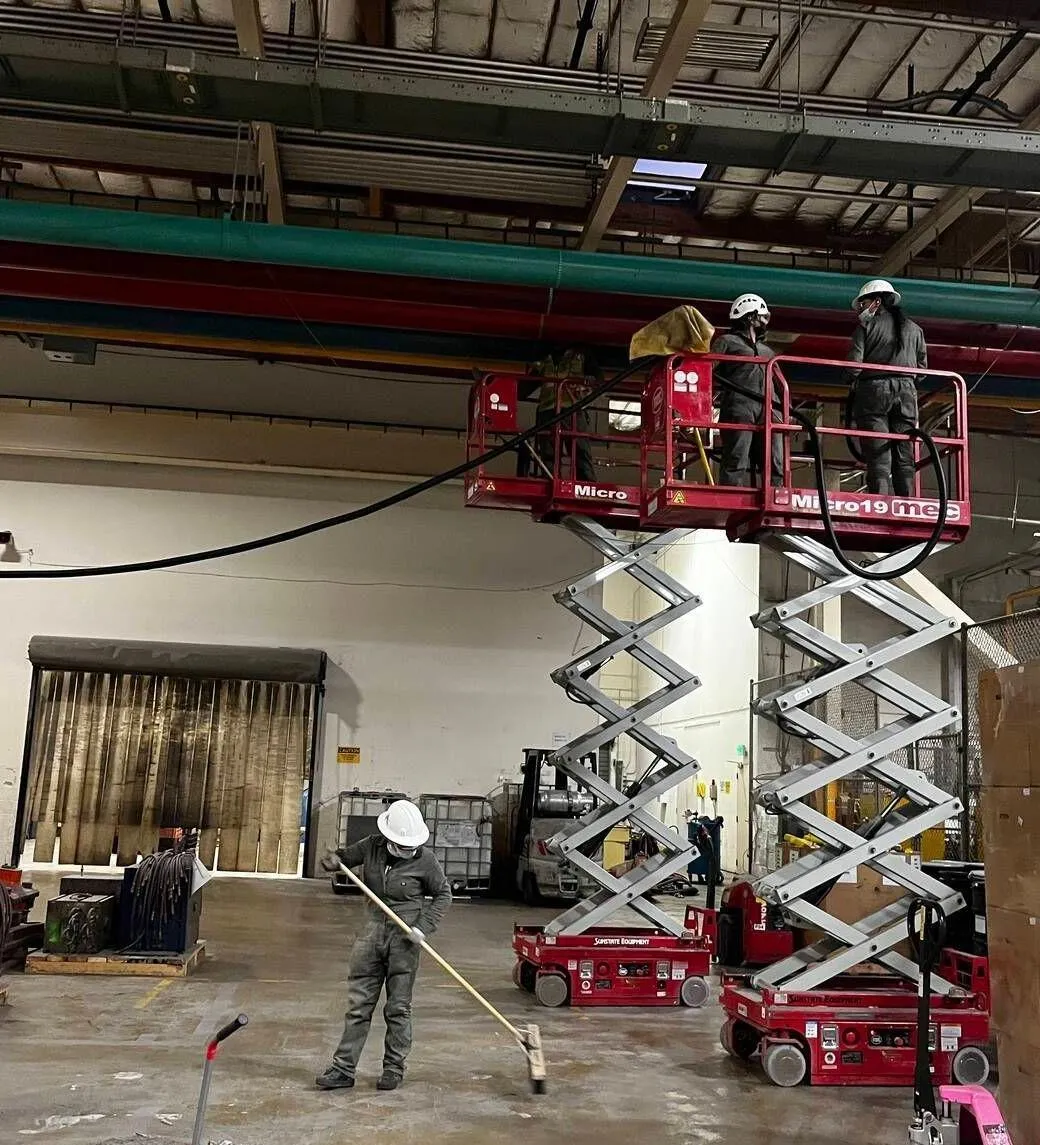
Don't Let Your Workplace Look Unprofessional
Reach out now for commercial cleaning and sanitizing services in Reno, NV
Messy workspaces reflect poorly on your business. If you're struggling to keep your workplace clean, turn to Prestige Building Maintenance of Nevada. Our company offers extensive office cleaning and sanitation services in Reno, NV.
You can count on us to create a welcoming atmosphere by keeping your workplace spotless. Our work can even stop the spread the illnesses and improve productivity. Call 775-971-4874 to schedule sanitation services today.
Don't Let Your Workplace Look Unprofessional
Reach out now for commercial cleaning and sanitizing services in Reno, NV
Messy workspaces reflect poorly on your business. If you're struggling to keep your workplace clean, turn to Prestige Building Maintenance of Nevada. Our company offers extensive office cleaning and sanitation services in Reno, NV.
You can count on us to create a welcoming atmosphere by keeping your workplace spotless. Our work can even stop the spread the illnesses and improve productivity. Call 775-971-4874 to schedule sanitation services today.
Take a closer look at our cleaning services
Throughout the years, our commercial cleaning company has mastered various commercial cleaning services in Reno, NV.
You can hire us for:
What Our Clients Say
We take pride in delivering exceptional cleaning services. Here’s what our satisfied clients have to say about their experience with us.
⭐⭐⭐⭐⭐
"Prestige of Nevada stands out as a leader in cleaning services, offering exceptional solutions with a highly skilled team. Its professional approach, transparency in rates, and environmental commitment make it the reliable and sustainable choice for commercial and residential clients."
Monica Greiner
⭐⭐⭐⭐⭐
"Excellent nightly service. Christian offers great communication with us to solve any problems."
Matt
⭐⭐⭐⭐⭐
"Excellent nigh"Prestige of Nevada exceeded my expectations! Their team was punctual, efficient, and left my home spotless. The attention to detail and eco-friendly approach set them apart. I highly recommend their professional and top-notch service!"tly service. Christian offers great communication with us to solve any problems."
Jc Castedo
Choosing the Right Commercial Cleaning Company in Nevada
We understand the importance of a clean and well-maintained workspace for the success and productivity of your business.
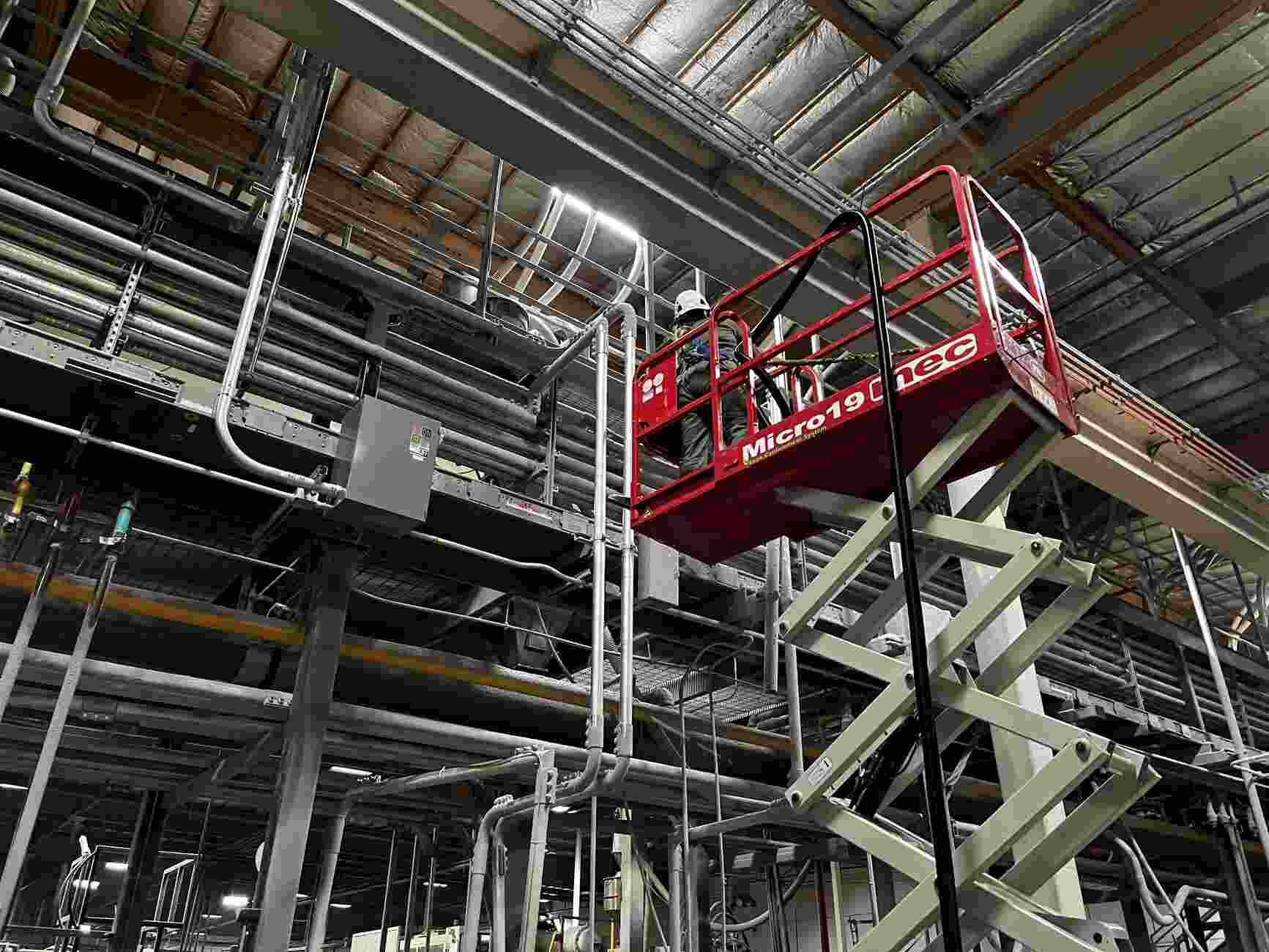
Proven Excellence Through Years of Expertise
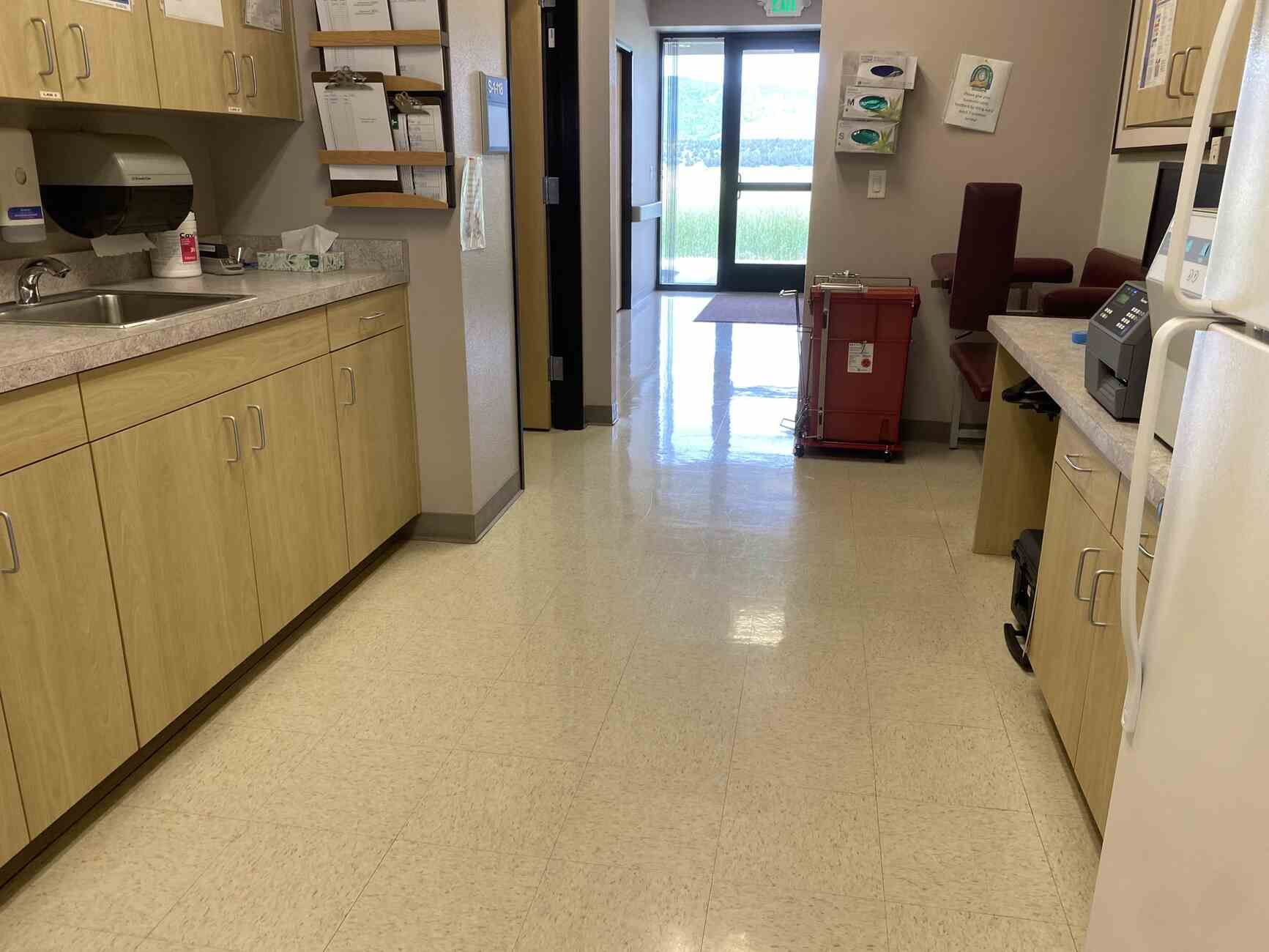
At Prestige Building Maintenance of Nevada, we have built a strong reputation based on years of experience in the industry. Our long-standing relationships with numerous clients across various industries reflect our commitment to excellence in service delivery. Our team of experienced cleaners ensures that your workspace is immaculately cleaned and maintained, creating a positive impression for your clients and employees. When you choose Prestige Building Maintenance of Nevada, you can rest assured that you are partnering with a reputable company that has a proven track record of providing top-notch commercial janitorial services near me in Reno. Our extensive experience in commercial disinfectant cleaning services across our service areas allows us to easily navigate any cleaning situation, and our reputation as a reliable and trustworthy cleaning partner speaks for itself.
Certified and Trained Cleaning Professionals
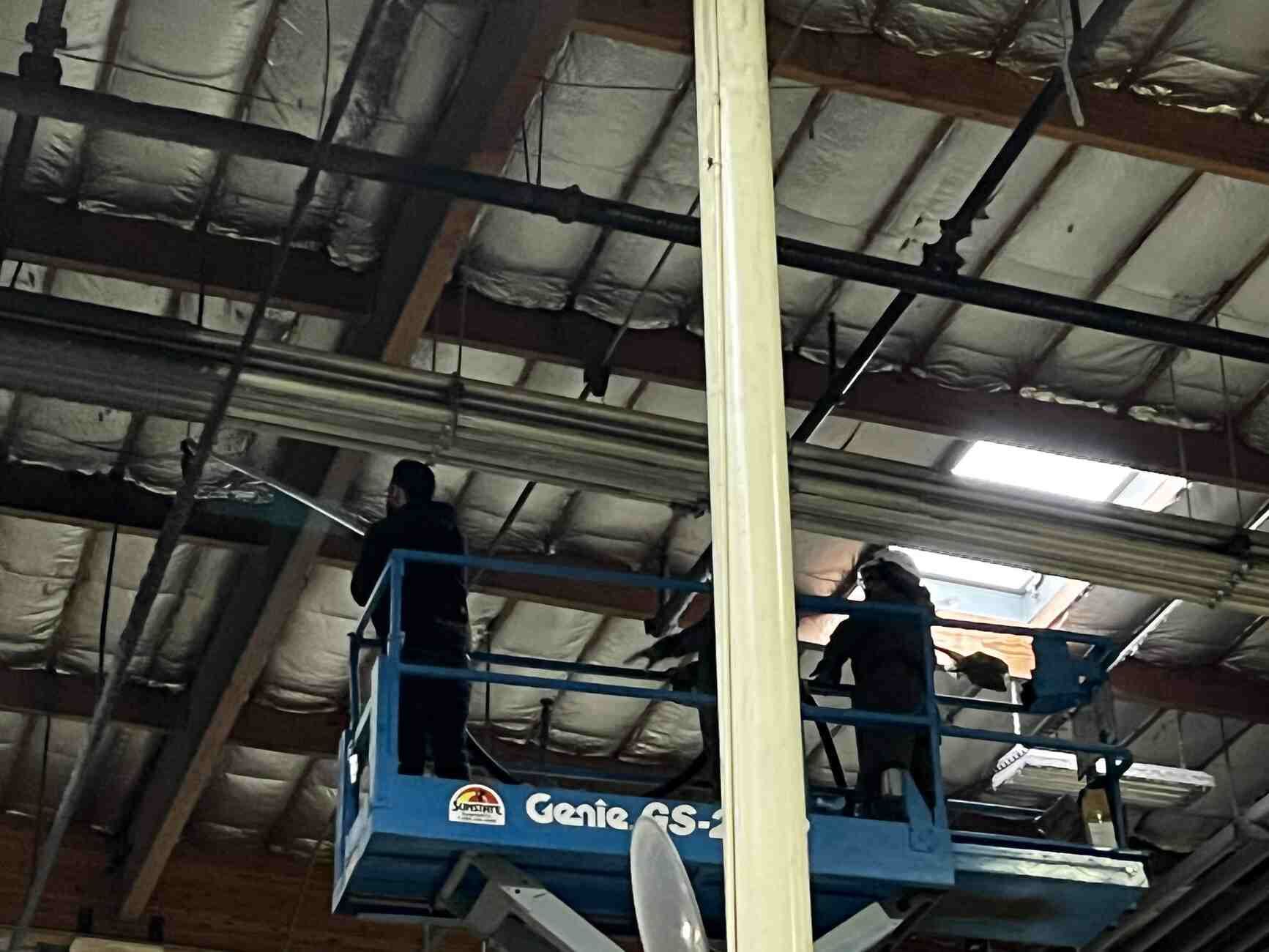
As a leading commercial cleaning company in Nevada, we believe in the value of highly trained and certified cleaning professionals. Our commitment to excellence begins with the selection of skilled individuals who are dedicated to upholding the highest standards in the cleaning industry. Our team undergoes rigorous training to ensure they are equipped with the latest cleaning techniques and adhere to industry best practices. You can trust that our staff is competent, reliable, and capable of delivering top-notch commercial janitorial cleaning services to your business. With expertise, attention to detail, and a commitment to customer satisfaction, our certified cleaning professionals are the backbone of our exceptional janitorial commercial cleaning services in Reno, Nevada.
We Offer Comprehensive Range of Services
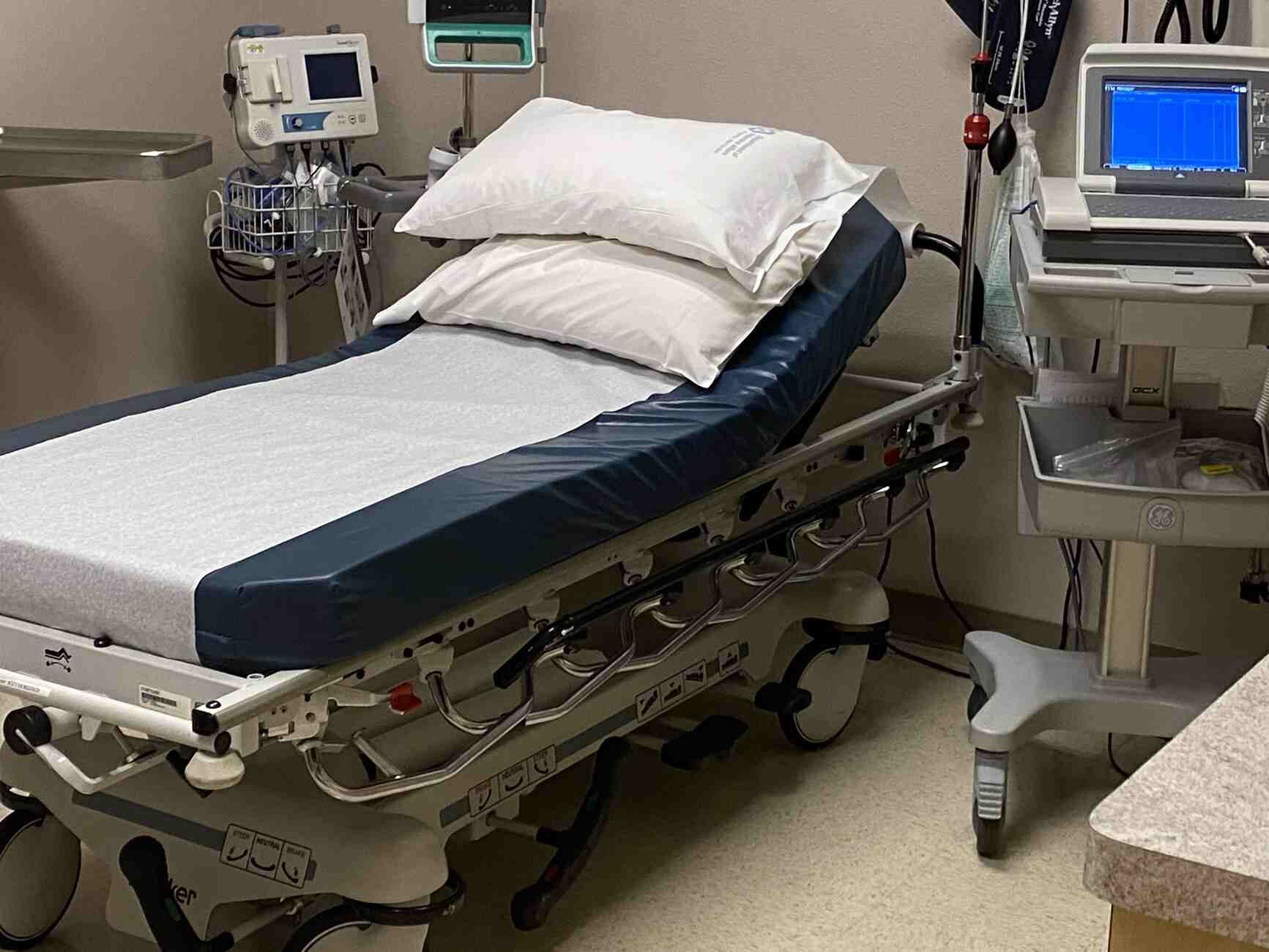
We offer a comprehensive range of commercial cleaning and janitorial services that cover all aspects of maintaining a clean and inviting workspace. Our services include office cleaning, floor cleaning, carpet cleaning, window cleaning, restroom sanitation, and more. With Prestige Building Maintenance of Nevada, you can have all your cleaning needs met under one roof, saving you time and effort. We take pride in offering a comprehensive range of commercial cleaning services tailored to address every aspect of maintaining a clean and pristine workspace. Whether you run a corporate office, a retail store, a medical facility, or any other commercial establishment, we have the expertise and resources to deliver top-notch cleaning solutions. By offering a comprehensive range of services, Prestige Building Maintenance of Nevada ensures that all your cleaning needs are met under one roof. Our highly trained professionals are equipped with the knowledge and expertise to handle various cleaning tasks efficiently and precisely.
Excellent Customer Support
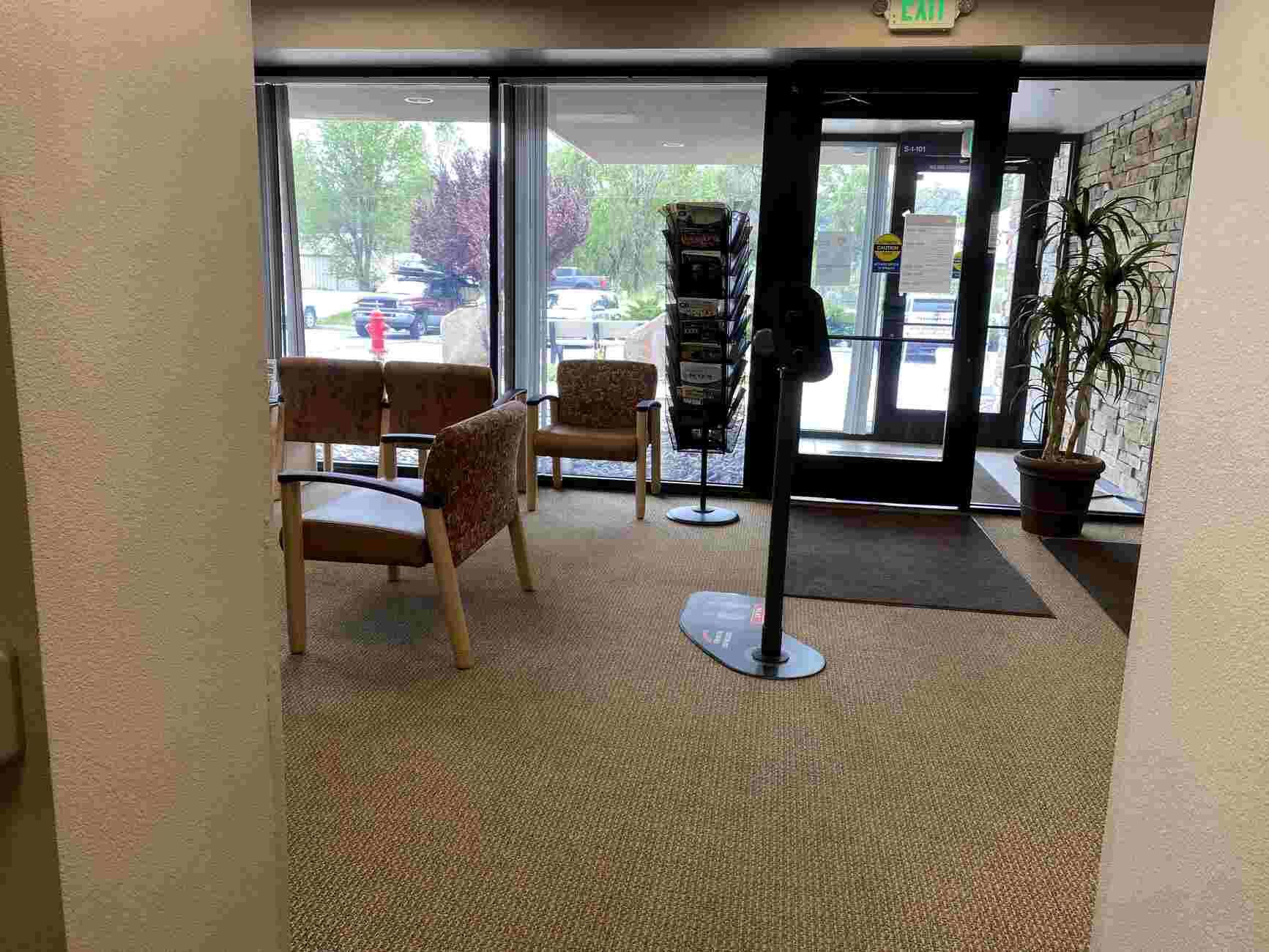
When it comes to choosing the right commercial cleaning company in Nevada, one of the most critical factors to consider is the level of customer support provided. Excellent customer support is a key element in ensuring a smooth and hassle-free cleaning experience for your business. At Prestige Building Maintenance of Nevada, we prioritize open communication and exceptional customer support. Our dedicated team is always ready to address your inquiries, concerns, and requests promptly. We value your feedback and are committed to continuously improving our Reno cleaning service to better meet your needs. We strive to build a lasting partnership with your business and ensure that your workspace remains clean, hygienic, and inviting.
Excellent Customer Support
When it comes to choosing the right commercial cleaning company in Nevada, one of the most critical factors to consider is the level of customer support provided. Excellent customer support is a key element in ensuring a smooth and hassle-free cleaning experience for your business. At Prestige Building Maintenance of Nevada, we prioritize open communication and exceptional customer support. Our dedicated team is always ready to address your inquiries, concerns, and requests promptly. We value your feedback and are committed to continuously improving our Reno cleaning service to better meet your needs. We strive to build a lasting partnership with your business and ensure that your workspace remains clean, hygienic, and inviting. Choosing the right commercial cleaning company in Nevada is a critical decision that can impact the cleanliness and professionalism of your business. At Prestige Building Maintenance of Nevada, we bring you the expertise, experience, and dedication needed to maintain a pristine and welcoming workspace. With our comprehensive range of commercial cleaning in Reno, certified and trained professionals, eco-friendly practices, and commitment to excellence, you can trust us to be your reliable partner in maintaining a clean and healthy environment for your business. Contact us today for a personalized office cleaning in Reno that meets your unique needs. Let Prestige Building Maintenance of Nevada elevate the cleanliness and appeal of your workspace to new heights.
Commercial Cleaning Questions
Got a question? We’re here to help.
What are your business hours?
Prestige Building Maintenance Of Nevada, located in Reno, NV, is your trusted partner for comprehensive cleaning and maintenance services. Our commitment to convenience extends to our opening hours, ensuring that we are readily available to serve you.
From Monday through Sunday, our doors are open from 7:00 AM to 7:00 PM. This means that whether you need our expertise for office building cleaning, data center cleaning services, sanitation and janitorial services, deep cleaning, or retail department store cleaning, you can count on us during your busy workweek and on weekends too.
We understand that flexibility is essential to accommodate your unique scheduling needs. Our extended hours reflect our dedication to providing timely and efficient services that align with your business or personal requirements.
At Prestige Building Maintenance Of Nevada, we prioritize your satisfaction, and our convenient opening hours are just one way we make it easier for you to access our top-notch cleaning and maintenance solutions. Contact us today to experience excellence in cleaning and maintenance services, tailored to your schedule and preferences.
Do you provide customizable cleaning plans for businesses in Reno, NV?
Absolutely, at Prestige Building Maintenance Of Nevada in Reno, NV, we recognize that each business is unique, with distinct cleaning needs and priorities. That's why we offer fully customizable cleaning plans tailored specifically to your requirements. Whether you manage a bustling office space, a data center with stringent hygiene standards, a dynamic retail store, or any other commercial establishment, our team is dedicated to working closely with you.
We understand the importance of flexibility, so we craft cleaning plans that align seamlessly with your schedule, budget, and preferences. This collaborative approach ensures that your space not only meets but exceeds cleanliness standards, providing a welcoming and healthy environment for both your employees and clients. With our customizable cleaning plans, you have the peace of mind knowing that your unique needs are met with precision and care.
Can you share references who've had positive experiences with your commercial cleaning services?
Absolutely, we take immense pride in our commercial cleaning services at Prestige Building Maintenance Of Nevada in Reno, NV, and the tangible benefits they bring to businesses. We understand your desire for assurance and transparency when selecting a cleaning service partner. That's why we are more than happy to provide references and share examples of businesses in Reno, NV, that have greatly benefited from our expertise. Whether it's an office space, a sanitized data center, a welcoming retail establishment, or any other commercial facility, our clients' satisfaction is a testament to the quality of our work. These references and success stories showcase our commitment to delivering exceptional results and creating healthier, more productive work environments. When you choose us, you're choosing a partner with a proven track record of excellence in commercial cleaning services, backed by satisfied clients right here in Reno.
Are your cleaning products and practices environmentally friendly and safe for our employees and clients?
At Prestige Building Maintenance Of Nevada, headquartered in Reno, NV, our profound commitment extends beyond our clients to include a responsibility towards the environment. In our pursuit of excellence, we meticulously choose cleaning products and practices that prioritize environmental sustainability and safety for all stakeholders.
Our emphasis is on utilizing eco-friendly, non-toxic cleaning agents. These agents are carefully selected for their effectiveness in eliminating germs and dirt without compromising indoor air quality or leaving harmful residues. This approach not only ensures a clean and sanitized environment but also contributes to the overall health and well-being of those who inhabit the spaces we serve.
Understanding the significance of creating a safe and healthy workspace for your employees and a welcoming environment for your clients, we go to great lengths to align our cleaning products and practices with our commitment to sustainability. This alignment is not just a commitment; it's a fundamental part of our ethos.
When you choose Prestige Building Maintenance Of Nevada, you're making a conscious decision to go beyond mere cleanliness. You're selecting a partner committed to responsible and eco-conscious cleaning practices. Our comprehensive approach ensures that your spaces are not only impeccably clean but also in harmony with a sustainable and environmentally conscious future. Join us in creating spaces that not only look and feel clean but contribute to the well-being of both your occupants and the world we share.
What measures do you have in place for security and confidentiality during cleaning services?
At Prestige Building Maintenance of Nevada in Reno, NV, we understand that security and confidentiality are paramount concerns for businesses. That's why we have rigorous measures in place to safeguard your premises and sensitive information during our cleaning services. Our highly trained and background-checked cleaning professionals operate under strict security protocols. We ensure that only authorized personnel are granted access to specific areas within your facility, maintaining the utmost discretion and confidentiality.
Additionally, our team is well-versed in handling sensitive documents and equipment, following strict guidelines to protect your proprietary information. Rest assured, our commitment to security extends beyond physical measures; we prioritize digital security too. Our cleaning processes are designed to prevent data breaches or unauthorized access to electronic systems. Your trust is our top priority, and we take every precaution necessary to ensure that your security and confidentiality remain uncompromised throughout our cleaning services. When you choose Prestige Building Maintenance Of Nevada, you choose a partner dedicated to the highest standards of professionalism and trustworthiness.

Our Services
Areas We Serve



Prestige Building Maintenance of Nevada, all rights reserved. Copyright @ 2026
Reno, NV 89502 (775) 971-4874
Website Managed by Leads by Vinny | Privacy & Terms