Why Sweeping Construction Dust Makes It Worse
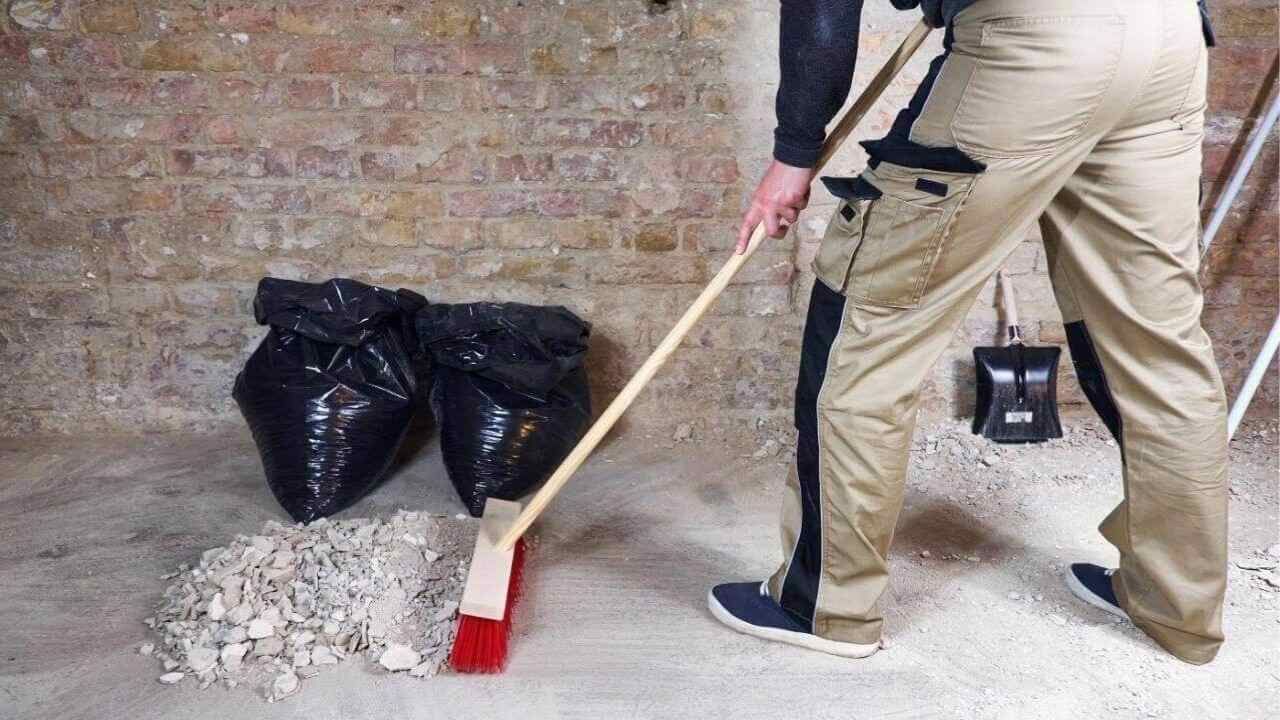
You’d think grabbing a broom is the fastest way to clean up after construction, but it often backfires. Instead of removing dust, sweeping can actually spread it deeper into your space. What looks like progress can quietly turn into a bigger mess.
In this article, you’ll learn why sweeping construction dust makes things worse, what really happens when dust becomes airborne, and how to clean it the right way without risking your health or your home.
The Hidden Problem with Sweeping Dust
At first glance, sweeping feels effective. You push visible debris into a pile, bag it, and move on. But construction dust isn’t like ordinary dirt—it’s made of ultra-fine particles from drywall, wood, insulation, and even silica.
When you sweep:
- Fine particles become airborne instantly
- Dust spreads to surfaces you already cleaned
- It settles into vents, fabrics, and hidden corners
This is why many homeowners searching for a “construction cleanup service near me” quickly realize that basic sweeping just doesn’t cut it.
Instead of removing dust, you’re redistributing it.
Why Airborne Dust Is a Bigger Risk
Here’s where things get serious. Once construction dust is airborne, it doesn’t just float harmlessly, it lingers.
These particles can:
- Stay suspended in the air for hours
- Enter HVAC systems and circulate throughout the home
- Trigger allergies, asthma, or respiratory irritation
Some construction dust even contains harmful materials like silica, which can pose long-term health risks when inhaled.
That’s why proper deep cleaning is essential after any renovation or build. It’s not just about appearance, it’s about creating a safe environment to live in.
What Professional Cleaning Does Differently
A skilled post-construction cleaning team approaches the job completely differently. Instead of stirring dust up, they focus on removing it at the source.
Here’s how professionals handle it:
- HEPA vacuum systems capture ultra-fine particles instead of blowing them around
- Damp wiping techniques trap dust instead of dispersing it
- Top-to-bottom cleaning ensures dust doesn’t fall onto already cleaned areas
- Air filtration tools help remove lingering airborne particles
This method doesn’t just clean what you see, it tackles what you don’t.
Case Study: When Sweeping Made It Worse
A homeowner had just completed a kitchen remodel and decided to clean up on their own. They swept the floors, wiped down counters, and thought the job was done. But within hours, a fine layer of dust reappeared on cabinets, appliances, and even inside drawers.
Frustrated, they called in professionals. The cleaning team used HEPA vacuums and detailed wiping techniques to remove embedded dust. They also cleaned vents and hard-to-reach areas. Within a day, the difference was obvious: no more dust settling, no more haze in the air, and a noticeably fresher space. What sweeping couldn’t fix, proper cleaning solved completely.
The Right Way to Handle Construction Dust
If you’re dealing with post-construction cleanup, skip the broom. Here’s what works better:
- Use a vacuum with a HEPA filter
- Wipe surfaces with damp microfiber cloths
- Clean from ceilings down to floors
- Seal off areas to prevent dust spread
- Replace or clean HVAC filters after work is done
Or better yet, leave it to professionals who already have the tools and process dialed in.
Final Thoughts
Sweeping might feel productive, but when it comes to construction dust, it’s the wrong move. It spreads particles, affects air quality, and creates more work in the long run.
If you want your space truly clean and safe, don’t cut corners.
Call in professionals and get it done right the first time.